

Blockchain for secure transactions offers a transformative approach to conducting transactions, providing unmatched transparency and security. This guide will delve into the fundamentals of blockchain technology, showcasing its benefits and practical applications across various industries.
By understanding blockchain, you’ll gain insights into its decentralized nature. You will also understand how it ensures data integrity through cryptographic hashing. Additionally, you will learn about the consensus mechanisms that validate transactions. We’ll explore its role in enhancing financial services, supply chain management, healthcare, real estate, and voting systems. By the end of this guide, you’ll know how to leverage blockchain to improve transaction transparency and security.
What is Blockchain?
Blockchain operates as a decentralized digital ledger, recording transactions across multiple computers so that these transactions cannot be retroactively altered. This technology maintains data integrity and transparency, providing a reliable method for recording and verifying transactions.
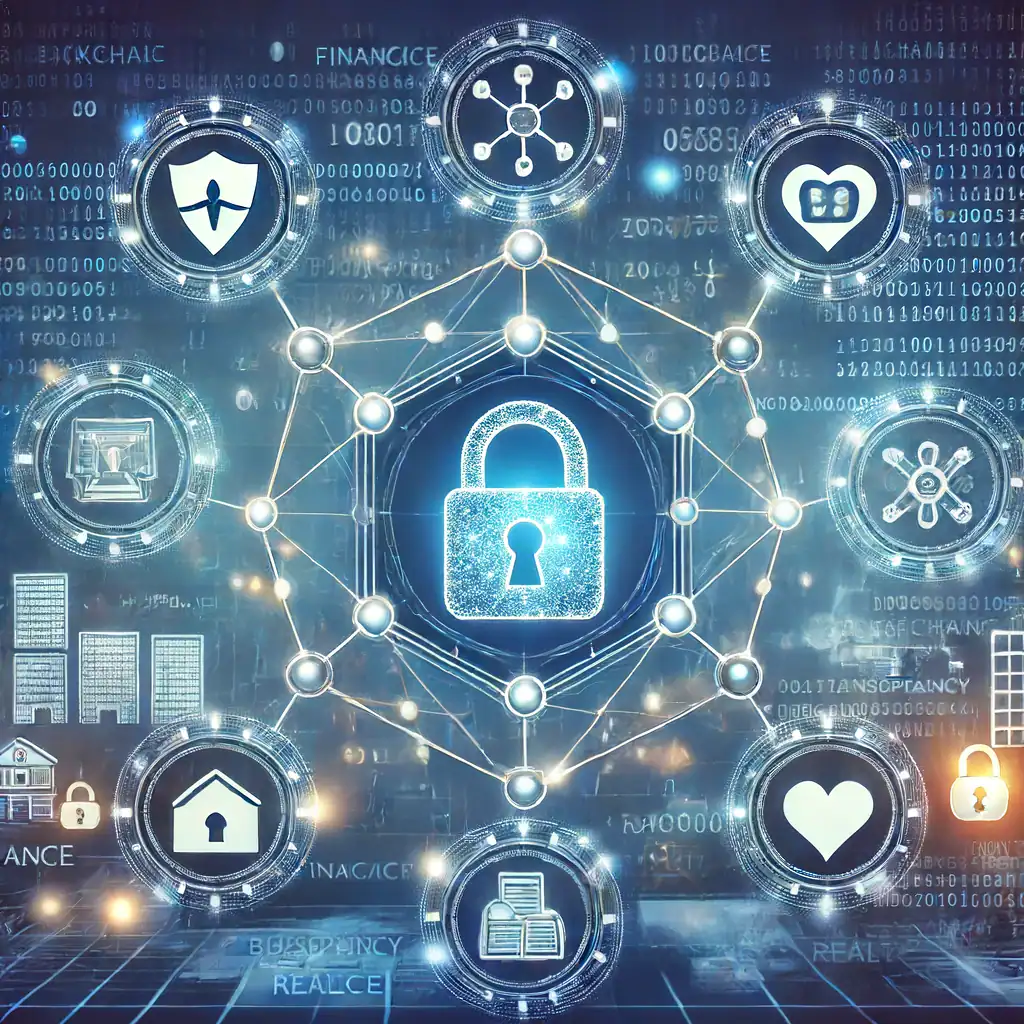
Blockchain’s structure ensures that once a transaction is recorded, it remains immutable. This fosters trust and security in various applications such as financial transactions, supply chain management, and more. This decentralization eliminates the need for a central authority, enhancing the robustness and transparency of the transaction process.
How Blockchain Works
- Decentralization: Unlike traditional databases controlled by a central authority, blockchain operates on a decentralized network of computers, known as nodes. Each node has a copy of the entire blockchain, ensuring transparency and security.
- Blocks: Transactions are grouped into blocks. Each block includes a list of transactions. It also has a timestamp and a reference to the previous block. This forms a chain of blocks.
- Cryptographic Hashing: Each block is cryptographically hashed, which means it’s given a unique identifier based on its contents. This ensures the integrity of the data within the block.
- Consensus Mechanisms: Nodes in the blockchain network use consensus mechanisms like Proof of Work (PoW) or Proof of Stake (PoS). They use these mechanisms to agree on the validity of transactions. This prevents fraud and double-spending.
Benefits of Using Blockchain for Secure Transactions
1. Enhanced Security
One of the primary benefits of using blockchain for secure transactions is its robust security features. Blockchain’s decentralized nature and cryptographic hashing make it incredibly difficult for malicious actors to alter transaction data. Each block in the chain is linked to the previous one, creating a secure and immutable record.
2. Transparency and Traceability
Blockchain technology provides unparalleled transparency. Every transaction recorded on the blockchain is visible to all network participants. This visibility ensures that no transaction can be hidden. It ensures that no transaction can be altered without detection. This transparency is particularly beneficial in supply chain management, where traceability is crucial.
3. Reduced Fraud and Errors
Blockchain’s decentralized structure minimizes fraud and human error. It requires transaction verification from multiple nodes. These nodes quickly identify and reject fraudulent activities. Furthermore, smart contracts are self-executing agreements with terms written into code. They automatically execute transactions once predefined conditions are met. This process reduces the potential for errors. This approach ensures secure, reliable, and error-free transactions. It enhances overall trust and efficiency in various applications. These applications include financial services, supply chain management, and real estate.
4. Cost Efficiency
By eliminating the need for intermediaries, such as banks or brokers, blockchain can significantly reduce transaction costs. This cost efficiency makes blockchain an attractive option for businesses and individuals looking to streamline their financial operations.
5. Faster Transactions
Traditional financial transactions can take several days to process, especially in cross-border transactions. Blockchain technology enables near-instantaneous transactions, regardless of geographical boundaries, making it ideal for international trade and remittances.
Practical Applications of Blockchain for Secure Transactions
1. Financial Services
Blockchain technology is transforming the financial services industry by providing secure, transparent, and efficient ways to conduct transactions. Applications include:
- Cryptocurrencies: Digital currencies like Bitcoin and Ethereum use blockchain to enable secure peer-to-peer transactions without the need for intermediaries.
- Cross-Border Payments: Blockchain enables faster and cheaper cross-border payments by eliminating the need for correspondent banks.
- Smart Contracts: Financial agreements can be automated using smart contracts. Automation reduces the need for manual intervention. It ensures that contract terms are met.
2. Supply Chain Management
Blockchain increases transparency and traceability in supply chains, addressing issues like counterfeiting and fraud. It records each step of the supply chain on the blockchain. This creates an immutable record of a product’s journey from the manufacturer to the consumer.

This detailed documentation helps ensure the authenticity of products. It maintains a clear history of their handling. This enhances overall trust and efficiency within the supply chain. By utilizing blockchain, companies can provide verified proof of a product’s origin and path, boosting consumer confidence and operational integrity.
3. Healthcare
Blockchain can secure patient records and ensure that data is only accessible to authorized parties. This technology can also streamline medical billing and claims processing, reducing fraud and administrative costs.
4. Real Estate
Blockchain simplifies real estate transactions by providing a transparent and secure method for recording property titles and transferring ownership. It enables the use of smart contracts. They automate the execution of real estate agreements. This ensures all terms are met before finalizing the transaction. This approach streamlines the process. It reduces the need for intermediaries. It also enhances the overall security and efficiency of real estate dealings. By leveraging blockchain technology, real estate transactions become more transparent, secure, and reliable.
5. Voting Systems
Blockchain technology enhances the security and transparency of voting systems. It reduces the risk of fraud.So It also ensures accurate vote counts. It creates an immutable record of votes, providing a verifiable audit trail for elections. This approach allows each vote to be securely tracked. It ensures that the voting process’s integrity is transparently maintained. By implementing blockchain, electoral systems can achieve higher levels of trust and accountability.
Challenges and Considerations
While blockchain offers numerous benefits for secure transactions, there are also challenges and considerations to keep in mind:
1. Scalability
Blockchain networks encounter scalability issues as the number of transactions rises. To tackle these challenges, developers are creating solutions like off-chain transactions and sharding. Despite these advancements, scalability remains a critical factor for achieving widespread adoption.
2. Regulatory Environment
The regulatory environment for blockchain and cryptocurrencies is still evolving. Businesses and individuals must stay informed about regulatory developments and ensure compliance with relevant laws and regulations.
3. Security
While blockchain is inherently secure, it is not immune to attacks. For example, 51% attacks occur when a single entity gains control of the majority of the network’s hash rate. This control can compromise blockchain security. Ongoing advancements in blockchain technology aim to mitigate these risks.
4. Integration
So integrating blockchain with existing systems can be complex and require significant investment. Businesses must carefully evaluate the costs and benefits of blockchain implementation and ensure they have the necessary technical expertise.
Conclusion
So Blockchain technology offers a powerful solution for transparent and secure transactions, with applications across various industries. By leveraging blockchain, businesses and individuals can enhance security, reduce fraud, increase transparency, and streamline operations.

There are challenges to consider. However, the benefits of blockchain for secure transactions make it a promising technology for the future. As the technology continues to evolve, it is important to stay informed. Adapting to new developments is crucial to successfully harnessing the power of blockchain.
Frequently Asked Questions About Blockchain for Secure Transactions
1. What is blockchain technology?
Answer: Blockchain is a decentralized digital ledger that records transactions across multiple computers, ensuring data integrity and transparency.
2. How does blockchain enhance transaction security?
Answer: Blockchain’s decentralized nature, cryptographic hashing, and consensus mechanisms make it difficult for malicious actors to alter transaction data.
3. What are the benefits of using blockchain for transactions?
Answer: Benefits include enhanced security, transparency, reduced fraud and errors, cost efficiency, and faster transactions.
4. How can blockchain be used in financial services?
Answer: Blockchain can be used for cryptocurrencies, cross-border payments, and smart contracts, providing secure and efficient financial transactions.
5. What role does blockchain play in supply chain management?
Answer: Blockchain enhances supply chain transparency and traceability, creating an immutable record of a product’s journey from manufacturer to consumer.

6. How can blockchain improve healthcare?
Answer: Blockchain can secure patient records, streamline medical billing, and reduce fraud and administrative costs.
7. What are the applications of blockchain in real estate?
Answer: Blockchain simplifies real estate transactions. It provides a transparent way to record property titles and transfer ownership. Smart contracts automate agreements.
8. Can blockchain be used for voting systems?
Answer: Yes, blockchain can enhance the security and transparency of voting systems, reducing fraud and ensuring accurate vote counting.
9. What are the challenges of using blockchain?
Answer: Challenges include scalability issues, regulatory environment, security risks like 51% attacks, and integration complexities with existing systems.
10. Is blockchain technology scalable?
Answer: Addressing scalability in blockchain involves developing solutions like off-chain transactions and sharding, which increase blockchain’s scalability over time. These innovations enable the blockchain to handle more transactions efficiently. They enhance its capacity to support a larger volume of activities. This is done without compromising performance. As these solutions evolve, they make blockchain technology more practical for widespread use. They allow it to maintain security and transparency. This occurs while managing greater transaction loads. This progress is essential for the continued adoption and functionality of blockchain systems across various industries.
Blockchain Fundamentals Tool
What is Blockchain?
Blockchain operates as a decentralized digital ledger, recording transactions across multiple computers so that these transactions cannot be retroactively altered. This technology maintains data integrity and transparency, providing a reliable method for recording and verifying transactions.
How Blockchain Works
Benefits of Using Blockchain
- Enhanced Security: Blockchain’s decentralized nature and cryptographic hashing make it incredibly difficult for malicious actors to alter transaction data.
- Transparency and Traceability: Every transaction recorded on the blockchain is visible to all network participants, ensuring that no transaction can be hidden or altered without detection.
- Reduced Fraud and Errors: Blockchain’s decentralized structure minimizes fraud and human error by requiring transaction verification from multiple nodes.
- Cost Efficiency: By eliminating the need for intermediaries, blockchain can significantly reduce transaction costs.
- Faster Transactions: Blockchain technology enables near-instantaneous transactions, regardless of geographical boundaries.
Discover more from Financial Freedom with Sakkemoto
Subscribe to get the latest posts sent to your email.
helloI really like your writing so a lot share we keep up a correspondence extra approximately your post on AOL I need an expert in this house to unravel my problem May be that is you Taking a look ahead to see you
Great article! Your insights are very valuable, and the way you presented the information made it easy to understand. I appreciate the time and effort you put into researching and writing this. It’s a great resource for anyone interested in this topic.
I have been surfing online more than 3 hours today yet I never found any interesting article like yours It is pretty worth enough for me In my opinion if all web owners and bloggers made good content as you did the web will be much more useful than ever before
I was recommended this website by my cousin I am not sure whether this post is written by him as nobody else know such detailed about my trouble You are amazing Thanks
Hello Neat post Theres an issue together with your site in internet explorer would check this IE still is the marketplace chief and a large element of other folks will leave out your magnificent writing due to this problem
La weekly You’re so awesome! I don’t believe I have read a single thing like that before. So great to find someone with some original thoughts on this topic. Really.. thank you for starting this up. This website is something that is needed on the internet, someone with a little originality!
Nice blog here Also your site loads up very fast What host are you using Can I get your affiliate link to your host I wish my site loaded up as quickly as yours lol
Ive read several just right stuff here Certainly price bookmarking for revisiting I wonder how a lot effort you place to create this kind of great informative website
[…] rise of DAO represents a major shift in how businesses are structured and governed. So as blockchain technology continues to evolve, we can expect to see more organizations adopting DAO models to enhance […]
[…] council members can run validator nodes. That rankles the “code-is-law” crowd, and I get it. Decentralization purists don’t love that […]