Category money

Dive into the world of money on Sakkemoto. Our Money category is your comprehensive resource for mastering personal finance, investing, and wealth-building strategies. From budgeting and saving tips to expert advice on smart investments, our guides and insights empower you to manage your finances and build lasting prosperity. Whether you’re just starting out or fine-tuning your financial plan, discover actionable strategies to take control of your money and secure your future.

Fintech in 2025: Disrupting Traditional Banking!

By 2025, the financial landscape will undergo significant transformation due to fintech advancements, particularly in artificial intelligence and blockchain technology. Fintech will disrupt traditional banking, offering alternatives through decentralized finance and digital-only banks that enhance accessibility and reduce costs. Major players like PayPal and Square will outperform legacy banks by providing efficient services. As governments regulate these innovations, the focus on financial inclusion will expand access to banking for underserved populations, compelling traditional institutions to adapt or risk obsolescence in a rapidly evolving market.


Real Estate Market in 2025: Impact of Remote Work and Sustainability!

The real estate market will transform by 2025 due to remote work and sustainability trends. The demand for suburban living will increase as remote workers seek larger homes away from city centers. Traditional offices will decline, giving way to flexible spaces and remote work hubs. Sustainability will drive eco-friendly building practices and develop smart cities, integrating technology for improved urban living. Ultimately, the focus will be on creating affordable green housing while balancing environmental priorities and market needs.

The Gig Economy in 2025: Flexibility or Fragmentation?

The gig economy is evolving rapidly, offering flexibility and independence as freelancers find opportunities through digital platforms. By 2025, this labor market will have significant growth, driven by technological advancements and employee rights discussions. However, challenges such as income instability, lack of benefits, and workforce fragmentation may arise, prompting the need for regulatory reforms. Balancing flexibility with worker security will define the future of gig work.

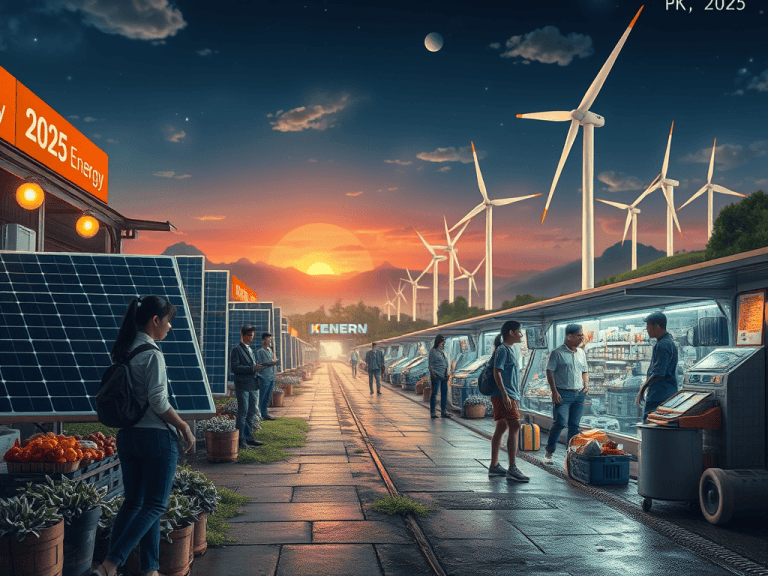
2025 Energy Market: The Push Toward Renewable Energy!

By 2025, the energy market will experience a significant shift towards renewable sources like solar, wind, and green hydrogen, driven by government policies and corporate sustainability initiatives. These changes aim to reduce carbon emissions and address climate challenges, while advancements in energy storage and smart grid technology will facilitate reliable energy distribution. Economic opportunities will abound, promoting a greener future.

The Future of Digital Currencies: Mainstream Adoption by 2025

The rise of digital currencies, particularly cryptocurrencies, is set to transform the financial landscape by 2025, moving from niche to mainstream adoption. Key drivers of this shift include distrust in traditional banking, advancements in blockchain technology, and the efforts of major companies integrating digital currencies into payment systems. Governments are also responding by developing central bank digital currencies (CBDCs). As cryptocurrencies reshape global markets and influence financial transactions, businesses must adapt to thrive in this evolving ecosystem while addressing challenges such as regulation and cybersecurity.

Logistics and Supply Chain in 2025: Embracing AI and Automation!

By 2025, the logistics and supply chain industries will be revolutionized by AI, blockchain, and automation, leading to greater efficiency, transparency, and sustainability. AI will enhance demand forecasting and optimize inventory management, while automation will streamline warehouse operations using robotics. Blockchain technology will improve traceability and security across supply chains with smart contracts facilitating transactions. Despite automation causing job displacement, new roles in technology management will emerge, fostering human-AI collaboration for agile supply chains.