

The real estate market is undergoing significant changes, influenced by the rise of remote work and the growing emphasis on sustainability. By 2025, these factors will reshape how and where people live, work, and invest in property.
Remote work has decentralized the workforce, allowing people to live farther from city centers, while the push for sustainable living has led to the development of smart cities designed to reduce carbon footprints and enhance quality of life.
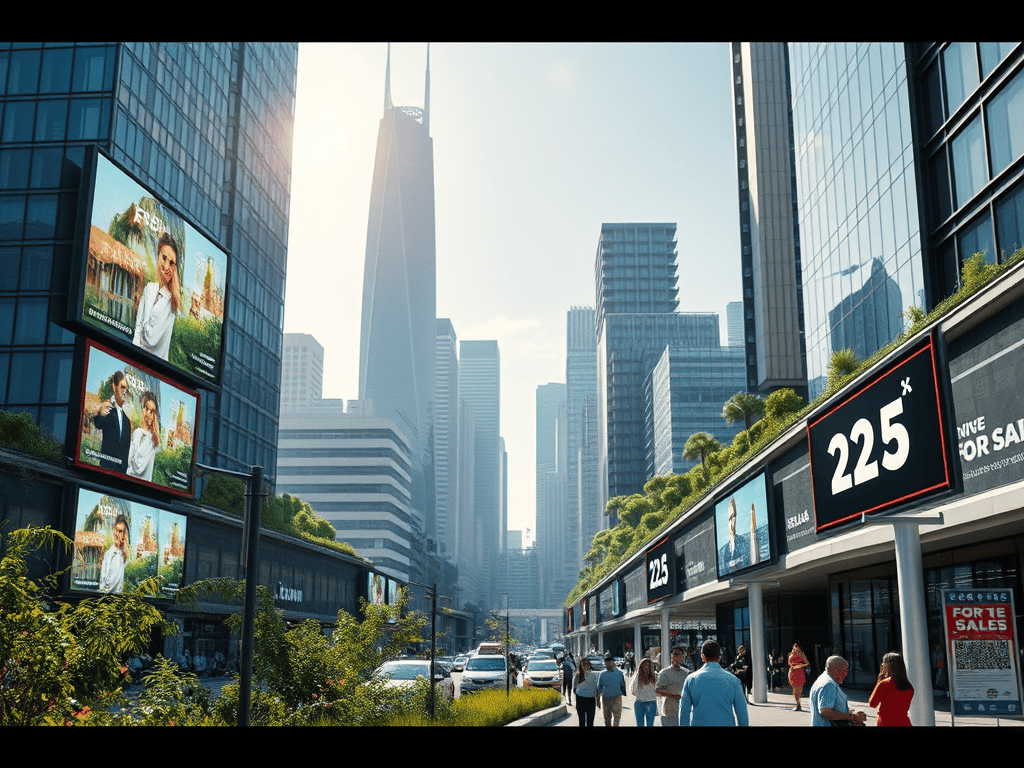
Real Estate Market 2025 In this blog, we will analyze how the real estate market will evolve by 2025, driven by these two powerful trends.
From the shift toward eco-friendly urban planning to the rise of flexible workspaces, the future of real estate will be defined by sustainability and the needs of a mobile, remote workforce.
The Rise of Remote Work: Redefining Where We Live!
The COVID-19 pandemic drastically accelerated the shift to remote work, and by 2025, it will have fundamentally altered the real estate landscape.So as more companies adopt flexible work policies, employees are no longer tied to living near their workplaces. This newfound flexibility has given rise to several key trends in real estate.
1. The Suburban and Exurban Boom
Remote work has allowed people to move away from crowded city centers, leading to a surge in demand for suburban and exurban homes. In 2025, more workers will choose to live in these areas,
seeking larger homes with more outdoor space and access to nature. This shift is driving real estate development in regions that were previously overlooked, leading to increased property values and new housing developments in these areas.
Suburbs and exurbs, once seen as commuter towns, will transform into thriving communities with local amenities and services. As more people move away from the city, developers will focus on creating self-sustained neighborhoods that offer everything from shopping and dining to schools and healthcare facilities. This trend will be particularly strong in regions where housing is more affordable compared to major urban centers.
2. The Decline of the Traditional Office Space
As remote work becomes more permanent, the demand for traditional office space in city centers will decline. But by 2025, companies will rethink their real estate strategies, moving away from large corporate headquarters in favor of smaller,
flexible office spaces that can accommodate hybrid work models. Many businesses will opt for coworking spaces or satellite offices closer to where their employees live, reducing the need for long commutes.
This shift will also lead to the repurposing of commercial real estate. Vacant office buildings in urban areas will be converted into residential spaces, mixed-use developments, or even coworking hubs. These conversions will help cities adapt to the changing needs of their populations, providing more affordable housing options in prime locations while reducing office space oversupply.
3. The Growth of Remote Work Hubs
As remote work becomes the norm, a new trend will emerge by 2025:
the rise of remote work hubs. These hubs are shared workspaces designed for remote workers who want a professional environment without commuting to a traditional office. Remote work hubs will be located in suburban, rural, and even resort areas, allowing employees to work from scenic, quieter locations while staying connected to their teams digitally.
Real estate developers will capitalize on this trend by creating mixed-use communities that combine residential living with dedicated coworking spaces.So these hubs will be equipped with high-speed internet,
conference rooms, and amenities designed to enhance productivity, attracting remote workers who crave a balance between work and leisure. Areas known for natural beauty or outdoor recreation will see increased demand as they become desirable locations for remote work hubs.
Sustainability and Smart Cities: The Future of Urban Living
As the world grapples with climate change, the real estate market is increasingly focused on sustainability. By 2025, the development of smart cities
—urban environments that use technology and data to improve quality of life and reduce environmental impact
—will reshape the real estate landscape. The growing demand for eco-friendly, energy-efficient buildings will drive investment in sustainable urban planning and green real estate.
1. The Growth of Sustainable Real Estate
So sustainability will be a driving force in real estate by 2025.
But consumers are increasingly aware of the environmental impact of their homes and workplaces, and they are demanding greener, more energy-efficient buildings. In response, developers will prioritize sustainable building practices, incorporating renewable energy sources, eco-friendly materials, and energy-efficient technologies into new construction.
Buildings with green certifications, such as LEED (Leadership in Energy and Environmental Design), will become more valuable in the market,
attracting buyers and renters who are willing to pay a premium for eco-friendly living spaces. These buildings will feature solar panels, green roofs, water conservation systems, and smart home technologies that reduce energy consumption and lower utility bills.
2. Smart Cities: The Integration of Technology and Sustainability
By 2025, smart cities will represent the future of urban development. These cities will integrate cutting-edge technology and sustainability to create environments that are more livable, efficient, and resilient to climate change. So smart cities will use IoT (Internet of Things) technology to optimize energy use,
reduce traffic congestion, and improve waste management, making urban living more sustainable.
For example, smart buildings will be equipped with sensors that monitor energy consumption, air quality, and temperature in real-time,
automatically adjusting systems to reduce waste and improve comfort. Public transportation in smart cities will be more efficient, using AI to optimize routes and reduce emissions. Electric vehicle charging stations will be integrated into city infrastructure, encouraging the use of clean energy for transportation.
So as smart cities become more prevalent, real estate in these areas will become highly desirable. Buyers and investors will be attracted to the convenience, sustainability, and long-term value of living in a tech-enabled, eco-friendly city.
3. Green Retrofits of Existing Buildings
While new construction will focus on sustainability, by 2025, there will also be a significant push to retrofit existing buildings to make them more energy-efficient.So older buildings are often energy-inefficient, contributing to higher carbon emissions and operational costs.
So governments introduce stricter environmental regulations and offer incentives for green building practices, property owners will invest in retrofitting their buildings to meet sustainability standards.
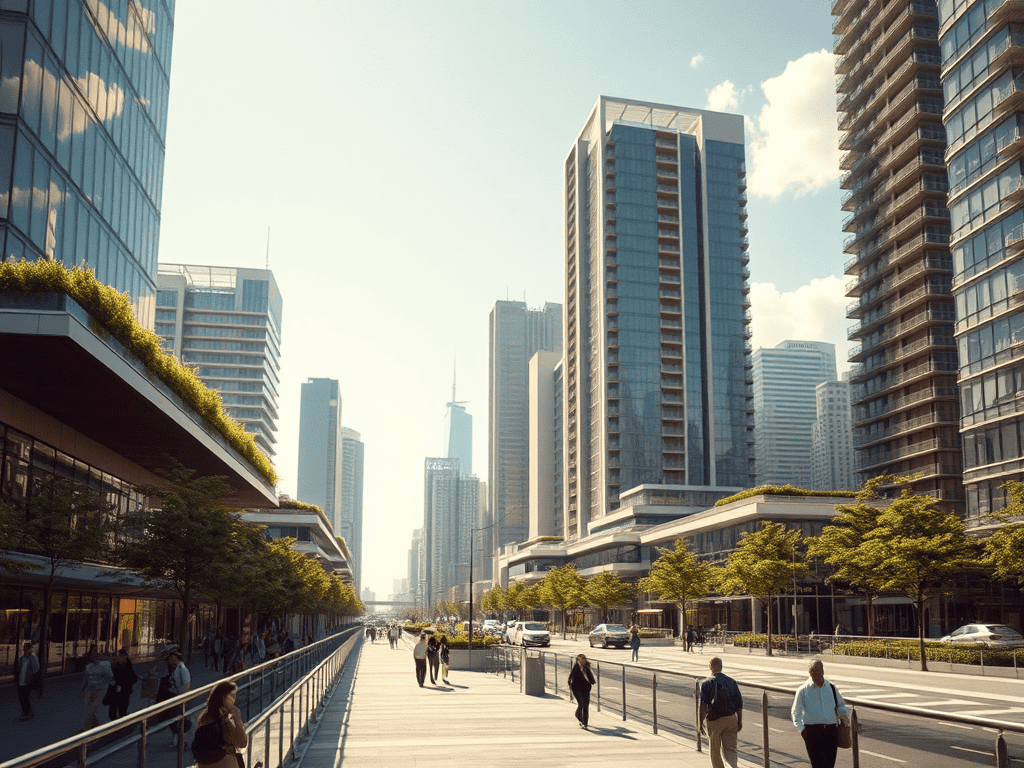
Retrofitting will include upgrading insulation, installing energy-efficient windows, and adding renewable energy systems such as solar panels. These retrofits will not only reduce energy consumption but also increase the market value of the properties, as buyers and renters increasingly prioritize eco-friendly living spaces.
Hybrid Work Models: The Blurring Line Between Home and Office
So remote work becomes more widespread, the distinction between home and office will continue to blur. By 2025, the concept of “live-work” spaces will gain popularity, as more people seek homes that accommodate both their personal lives and professional needs. Real estate developers will respond by designing properties that offer flexible spaces for work and relaxation.
1. Home Offices as a Standard Feature
In 2025, home offices will no longer be a luxury
—they will be a standard feature in residential real estate.
So with remote and hybrid work models becoming the norm, buyers will prioritize homes that include dedicated workspaces, high-speed internet, and soundproof rooms for virtual meetings. Properties without these features may struggle to attract buyers in a post-pandemic world where the home office is a critical component of daily life.
Developers will cater to this demand by creating homes with flexible floor plans that allow for easy customization of home offices. Additionally, apartment complexes and condominiums will offer shared coworking spaces, giving residents access to professional environments without leaving their buildings.
2. The Impact on Commercial Real Estate
Hybrid work models will also impact the commercial real estate market by reducing the demand for traditional office spaces. But by 2025, companies will adopt flexible leasing agreements that allow them to scale their office space needs up or down depending on their workforce’s hybrid work arrangements. Coworking spaces will become more popular among businesses seeking flexible, short-term office solutions.
The shift away from large, centralized offices will lead to a reimagining of commercial real estate. Office spaces will become more adaptable,
with open floor plans and modular designs that can accommodate different team sizes and working styles. Additionally, commercial buildings will be retrofitted with advanced technology to support virtual meetings, hot desking, and hybrid collaboration.
Sustainability and Affordability: Balancing Green Real Estate with Costs
While sustainability is a growing priority for buyers, affordability will remain a critical factor in real estate decisions. By 2025, developers and policymakers will need to balance the demand for green real estate with the need to make housing affordable for a wide range of buyers.
1. Affordable Green Housing Initiatives
As the cost of sustainable building materials and technologies decreases, developers will focus on creating affordable green housing options. By 2025, governments will also introduce more incentives, such as tax credits and grants,
to encourage the development of energy-efficient, affordable housing in Real Estate Market 2025.
Community-driven initiatives, such as green housing cooperatives, will emerge to offer low-cost, eco-friendly housing options. These cooperatives will focus on sustainability, creating shared living spaces with renewable energy systems,
water conservation measures, and communal gardens, making green living accessible to more people.
2. The Role of Public-Private Partnerships
Public-private partnerships will play a crucial role in making sustainable real estate affordable. Governments and private developers will collaborate to create mixed-income, eco-friendly housing developments that cater to a diverse range of buyers. These developments will incorporate green building practices and smart city technologies while keeping costs low through government subsidies and innovative financing models.
Conclusion: The Future of Real Estate in 2025
But by 2025, the real estate market will be shaped by two powerful forces: the rise of remote work and the demand for sustainability. Remote work will drive people away from city centers, leading to the growth of suburban and rural communities, as well as the emergence of remote work hubs.
At the same time, the push for sustainable living will lead to the development of smart cities and green real estate that prioritize energy efficiency and environmental responsibility.
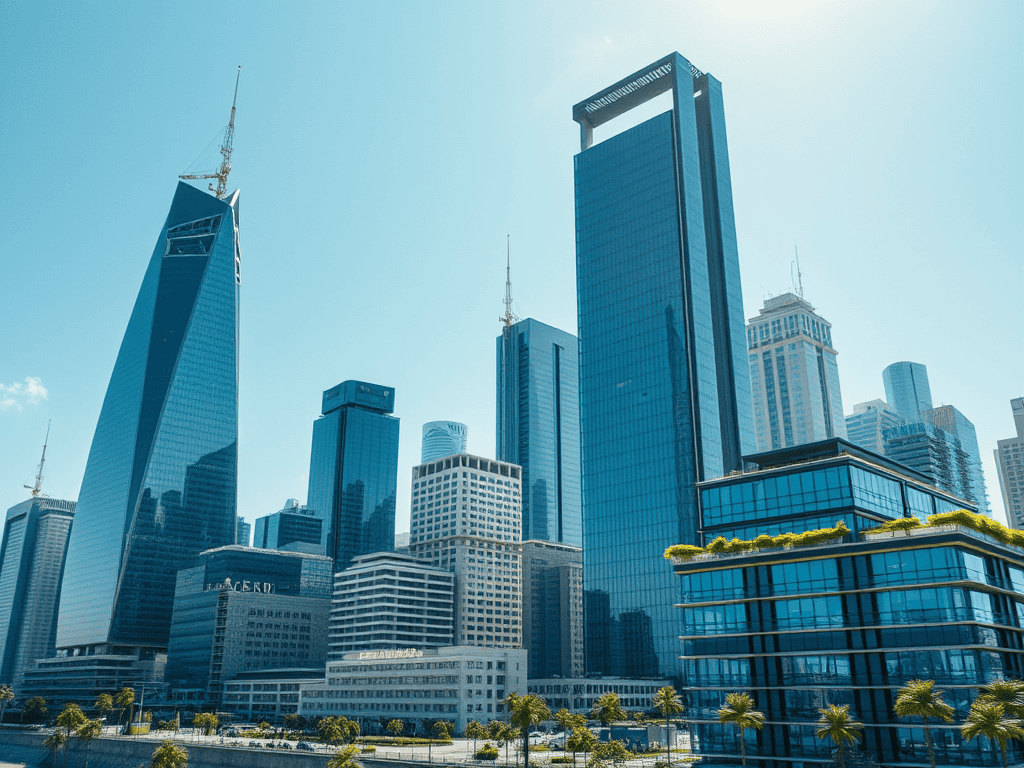
As these trends converge, the real estate market will become more diverse, flexible, and environmentally conscious. Developers, investors, and homeowners who embrace these changes will be well-positioned to thrive in a market that is increasingly driven by technology, sustainability, and the needs of a mobile, remote workforce.
FAQs Real Estate Market 2025
How will remote work affect the real estate market by 2025?
So remote work will decentralize the workforce, driving demand for suburban and rural homes with more space. Commercial real estate will shift toward flexible office spaces and coworking hubs.
What is a remote work hub?
A remote work hub is a shared workspace located in suburban or rural areas, offering remote workers a professional environment with coworking amenities, high-speed internet, and meeting rooms.
How will sustainability impact real estate development in 2025?
So sustainability will be a key focus, with developers prioritizing eco-friendly building practices, energy-efficient technologies, and smart city designs that reduce environmental impact and enhance livability.
What are smart cities?
Smart cities use technology and data to optimize urban living, improving energy efficiency, reducing traffic congestion, and enhancing public services. Real Estate Market 2025 in smart cities will be highly desirable due to its sustainability and convenience.
Will home offices become a standard feature in homes?
Yes, by 2025, home offices will be a standard feature in homes as more people work remotely. Flexible floor plans that allow for dedicated workspaces will become a priority for buyers.
How will commercial real estate adapt to hybrid work models?
So commercial real estate will shift toward flexible, adaptable spaces that support hybrid work models. Coworking spaces and short-term leases will become more common, and office buildings will be retrofitted with advanced technology for remote collaboration.
What are green retrofits?
Green retrofits involve upgrading existing buildings with energy-efficient technologies, such as better insulation, energy-saving windows, and solar panels, to reduce their environmental impact and operating costs.
How will public-private partnerships support affordable green housing?
So Public-private partnerships will help create affordable green housing by combining government incentives with private investment to build eco-friendly, mixed-income housing developments that are accessible to a wider range of buyers.
What role will AI and smart technology play in real estate by 2025?
AI and smart technology will optimize energy use in buildings, enhance home security, and create personalized living environments. In smart cities, these technologies will improve public services and reduce waste.
Will sustainability make real estate more expensive?
Initially, sustainable buildings may come at a premium, but as green technologies become more affordable, the cost gap will narrow. Government incentives and green financing will help make sustainable real estate more accessible.
Discover more from Financial Freedom with Sakkemoto
Subscribe to get the latest posts sent to your email.
“I agree with your points, very insightful!”
“Absolutely great content! Truly appreciate the effort and creativity you’ve put into this. Keep up the amazing and inspiring work!”
certainly like your website but you need to take a look at the spelling on quite a few of your posts Many of them are rife with spelling problems and I find it very troublesome to inform the reality nevertheless I will definitely come back again
Its like you read my mind You appear to know so much about this like you wrote the book in it or something I think that you can do with a few pics to drive the message home a little bit but other than that this is fantastic blog A great read Ill certainly be back
Your writing has a way of resonating with me on a deep level. I appreciate the honesty and authenticity you bring to every post. Thank you for sharing your journey with us.
Hi Neat post There is a problem along with your website in internet explorer would test this IE still is the market chief and a good section of other folks will pass over your magnificent writing due to this problem
I loved as much as youll receive carried out right here The sketch is attractive your authored material stylish nonetheless you command get bought an nervousness over that you wish be delivering the following unwell unquestionably come more formerly again as exactly the same nearly a lot often inside case you shield this hike
Your blog has quickly become my go-to source for reliable information and thought-provoking commentary. I’m constantly recommending it to friends and colleagues. Keep up the excellent work!
Fantastic site Lots of helpful information here I am sending it to some friends ans additionally sharing in delicious And of course thanks for your effort