

There’s a special kind of quiet that falls over a Sunday night. For years, mine was filled with a low, humming dread. The weekend was over, and the countdown to another Monday morning in a job that was slowly draining my soul had begun.
I’d stare at the ceiling, my mind racing. What if I just… didn’t go? The thought was intoxicating. But then, the cold, hard reality would hit: the mortgage, the car payment, the groceries, the student loans. I was trapped. A well-dressed, salaried prisoner of my own lifestyle.
I called it the “Golden Handcuffs.” Maybe you know them.
The turning point wasn’t a dramatic blow-up or a miraculous lottery win. It was a simple, deliberate decision to build what I now call my emergency fund freedom. This wasn’t just a savings account; it was a psychological shield. It was the key that unlocked the confidence to change everything.
The Psychology of the Pad: Why Cash is King (and Queen)
We talk about emergency funds in terms of months of expenses—three months, six months, a year. But we rarely talk about what that money feels like.
Before my fund, every financial decision was laced with fear. A unexpected car repair wasn’t an inconvenience; it was a crisis that could derail my entire month. Negotiating a raise felt like risking the only stability I had. The idea of leaving to start my own business? A pipe dream.

Here’s what most people overlook: An emergency fund isn’t just for emergencies. It’s for opportunities. It’s the financial backbone that allows you to stand up straight when life—or a bad boss—tries to push you around.
Building that cushion fundamentally rewired my financial mindset. That savings account became more than a number on a screen; it was tangible proof of my own competence and discipline. It was the antidote to the helplessness I felt every Sunday night. For the first time, I had real leverage.
The Practical Path: How I Built My 6-Month Escape Pod
So, how do you build this foundation of financial independence? It’s not about magic; it’s about mechanics. I broke it down into a series of manageable, almost mundane, personal finance habits.
1. The “Why” Before the “How”
I started by defining my target with painful specificity.So I didn’t just want “six months of savings.” I calculated my bare-bones survival budget. This is the absolute minimum needed to keep a roof over my head. It ensures food on the table and the lights on. This included:
- Rent/Mortgage
- Utilities
- Minimum debt payments
- Groceries
- Essential insurance
This number was significantly lower than my lifestyle spending, which made the goal feel more achievable. This is a crucial step in debt management and wealth building—knowing your true baseline.
2. The Automated Assault on My Spending
Motivation is fleeting. Systems are forever. I set up an automatic transfer. It moved money from my checking to my high-yield savings account the same day my paycheck hit. I started small, then gradually increased the amount every three months.
So I stopped thinking of it as “saving what was left over.” I was “paying my future self” first. This is, without a doubt, one of the most powerful money management tips I ever learned.
3. The Side-Hustle Seed Money
To accelerate the process, I got creative. Any windfall—tax returns, birthday money, a bonus—went directly into the fund. I also started a micro-side hustle, like selling old electronics or doing a few hours of freelance work, and funneled 100% of that income into the escape pod. This was my first, tentative step into what would later become a full-blown passion for passive income strategies.
The Moment of Truth: How Freedom Actually Feels
It took 28 months of consistent effort. The day I finally hit my number, I expected to feel ecstatic. Instead, I felt… calm. A deep, profound sense of peace.
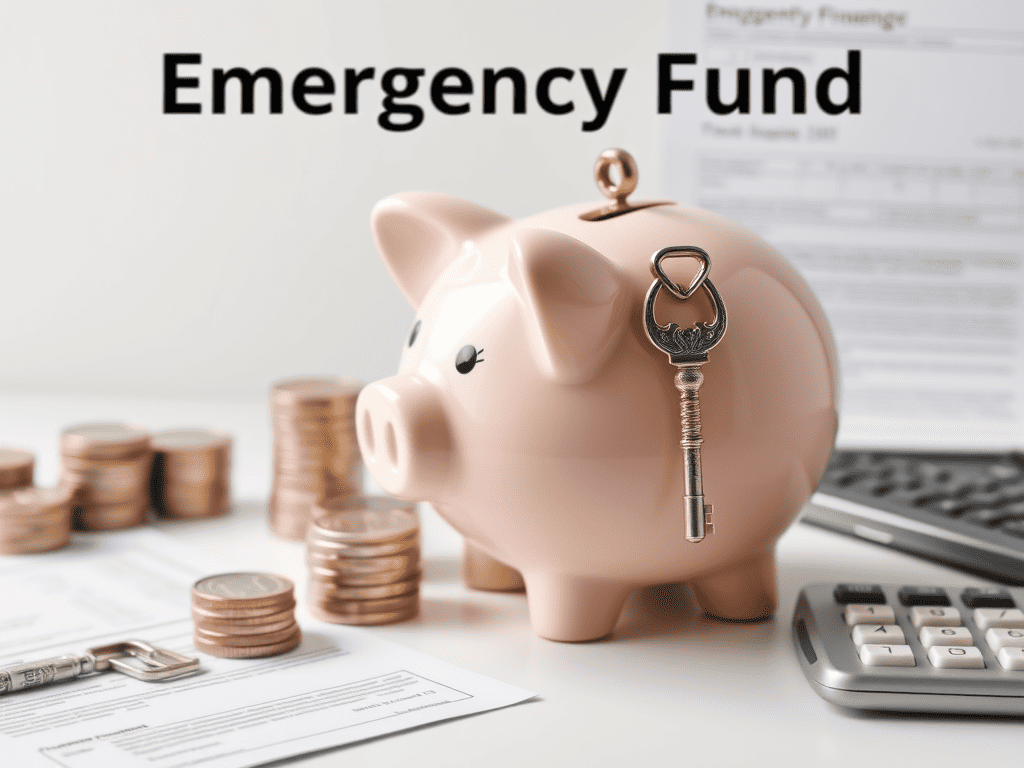
The very next week, in a meeting where my boss was (again) dismissive and belittling, something shifted. I didn’t get angry or flustered. I simply listened, and then I calmly stated my position. The fear was gone. Why? Because for the first time, I knew I was choosing to be there. I had options.
That emergency fund freedom gave me the courage to:
- Negotiate from a position of power: I asked for a significant raise and better terms, not because I was desperate, but because I knew my value and knew I could walk away.
- Politely decline: When assigned unreasonable workloads, I could push back without the panic of “what if I get fired?”
- Finally take the leap: When my negotiations were met with resistance, I was able to hand in my notice with a genuine smile. I had a six-month runway to build the business I’d always dreamed of.
Beyond the Emergency Fund: Fueling Your Financial Future
That emergency fund was the foundation. It was the stability that allowed me to start thinking like an investor, not just a saver.
Once my business began generating income, I didn’t just stop there. I began to explore investment strategies for the long term. I learned about index funds, Roth IRAs, and real estate. The emergency fund remained untouched—my financial airbag. All new growth happened elsewhere.
This is the beautiful progression: solid money management tips lead to debt management, which builds the savings for wealth building through smart investment strategies, ultimately creating the financial independence we all crave.
Your First Step Towards Freedom Starts Today
You don’t need a six-figure salary to start. You need a decision.
Open a separate savings account right now and set up a $50 automatic transfer. Sell something you don’t need this weekend and dump the cash into it. Track your spending for one week and find one “leak” you can plug.
This isn’t just about saving money. It’s about buying your freedom. It’s about reclaiming your Sunday nights and transforming that dread into anticipation for the week ahead.
Your journey to emergency fund freedom begins with a single, small step. Take it.
FAQ: Your Emergency Fund Freedom Questions, Answered
Q1: But I have high-interest debt! Should I save or pay off debt first?
This is the classic personal finance dilemma. Here’s my take: do both, but start small. Focus on aggressively paying down high-interest credit card debt, as the interest is a wealth killer. Simultaneously, build a mini-emergency fund of just $1,000. This tiny buffer prevents you from going deeper into debt when a small crisis hits. Once the high-interest debt is gone, pivot fully to building your 3-6 month fund.
Q2: Where should I physically keep my emergency fund?
Accessibility and safety are key. Your emergency fund does NOT belong in the stock market. Keep it in a federally insured, high-yield savings account at a separate bank from your checking account. This makes it slightly harder to tap on a whim, but still available within a day or two when a true emergency strikes.
Q3: Is a 3-month fund enough, or do I really need 6 months?
Three months is a great start, but six months is the real game-changer. I recommend targeting six months, especially if you have a variable income, work in a volatile industry, or are the sole breadwinner for your family. The extra cushion is what transforms panic into power during a job loss or crisis.
Q4: What counts as a “real” emergency?
A true emergency is an unexpected, necessary, and urgent expense. Think: major car repairs, a new water heater, a deductible for a medical emergency, or essential living expenses during involuntary unemployment. A “great sale,” a vacation, or a planned home upgrade does not qualify.
Q5: Once my fund is full, what’s the next step for building wealth?
Congratulations! This is where the fun begins. With your safety net securely in place, you can now confidently direct your extra cash flow toward long-term wealth building. Max out retirement accounts like your 401(k) or IRA, and then explore other investment strategies like low-cost index funds or furthering your education to increase your earning potential.
Ready to transform your financial mindset and build unshakable resilience?

Explore more deep dives on strategic wealth building and passive income strategies right here on sakkemoto.com. Start with these guides to continue your journey: here
Discover more from Financial Freedom with Sakkemoto
Subscribe to get the latest posts sent to your email.