

By 2025, artificial intelligence (AI) will have reshaped the marketing landscape, delivering hyper-personalized consumer experiences, predictive targeting, and seamless customer interactions through advanced chatbots. AI-driven marketing will enable brands to connect with their audiences in ways that are more relevant, personalized, and data-informed than ever before. As businesses and consumers continue to embrace digital interactions, AI will become a cornerstone of successful marketing strategies, offering insights and efficiencies that were previously unimaginable.
In this blog, we will explore how AI will transform marketing by 2025, highlighting the impact of hyper-personalization, predictive targeting, and chatbots on the consumer experience and marketing strategies.
The Power of Hyper-Personalization: Marketing Tailored to the Individual
Personalization has long been a goal for marketers, but by 2025, AI will enable hyper-personalization
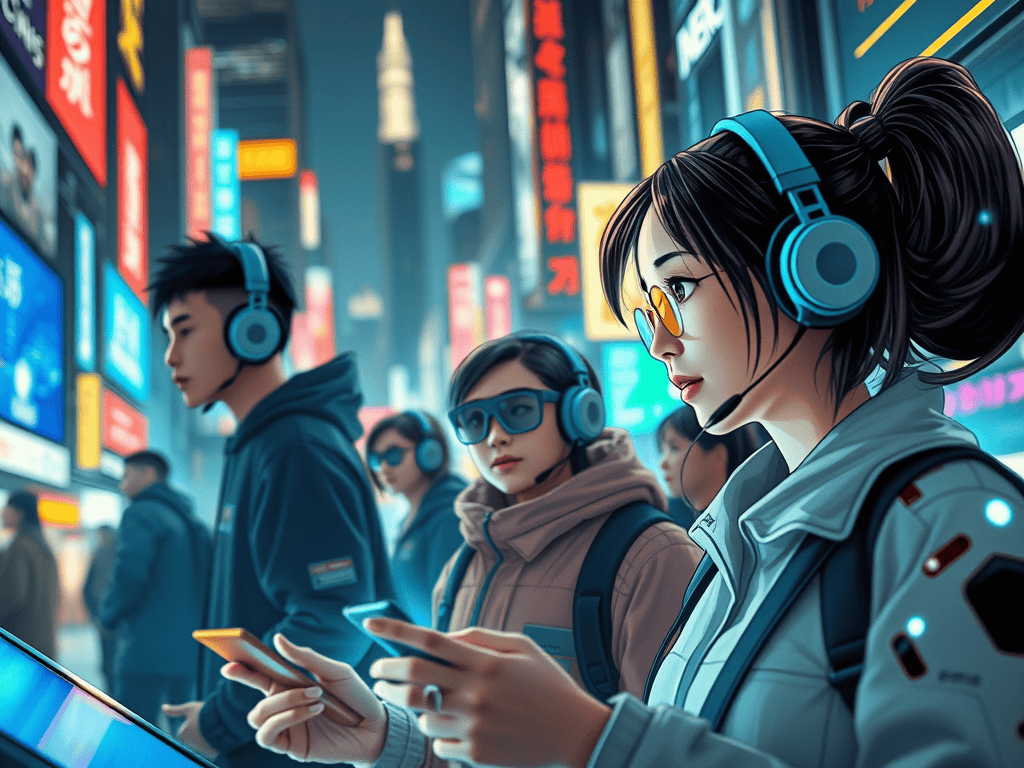
—marketing that is so finely tuned to individual preferences that every interaction feels unique and relevant. AI’s ability to analyze vast amounts of data in real time allows marketers to understand each consumer’s behavior, preferences, and needs on a deeper level than ever before.
1. AI-Driven Customer Insights and Behavior Analysis
AI’s primary strength lies in its ability to process and analyze large datasets quickly and accurately. By 2025, AI will enable marketers to gather real-time insights into consumer behavior across multiple channels, including social media, websites, mobile apps, and email. These insights will allow marketers to understand what consumers are searching for, what they are interested in, and how they interact with brands.
Using AI, marketers can track user behavior down to the smallest detail, from the types of products a customer browses to the content they engage with on social media. This data will be used to build comprehensive customer profiles, allowing brands to tailor their messaging and offers to each individual’s preferences. For example, a customer who frequently browses eco-friendly products will receive personalized recommendations for sustainable brands, along with content that aligns with their values.
2. Dynamic Content Personalization
By 2025, dynamic content personalization will be a standard feature of AI-driven marketing strategies. AI will automatically generate personalized content based on a customer’s behavior, location, preferences, and past interactions with the brand. This content could range from product recommendations to targeted ads, social media posts, and even personalized emails.
For example, when a consumer visits an e-commerce website, AI will dynamically adjust the homepage, showing products that align with the user’s browsing history and purchase behavior. Similarly, email campaigns will no longer feature generic messages but instead offer personalized content, such as product suggestions, tailored discounts, and recommendations based on the customer’s previous interactions with the brand.
Dynamic content will not only increase engagement but also improve conversion rates, as consumers are more likely to respond to marketing messages that feel relevant to their individual needs and preferences.
3. Real-Time Personalization Across Channels
In 2025, AI will enable real-time personalization across multiple marketing channels, providing a seamless and consistent experience for consumers. Whether a customer interacts with a brand on a website, social media platform, or through an app, AI will ensure that the content, offers, and messaging are personalized and up-to-date based on the consumer’s real-time behavior.
For instance, if a customer abandons an online shopping cart, AI can automatically trigger a personalized follow-up email or push notification, offering a discount or suggesting complementary products. This type of real-time personalization will help brands re-engage consumers, reduce cart abandonment, and drive sales.
By integrating AI-driven personalization into every touchpoint, brands will create a more cohesive and engaging customer journey, improving satisfaction and loyalty.
Predictive Targeting: AI’s Role in Anticipating Consumer Needs
In addition to hyper-personalization, AI will transform marketing through predictive targeting, allowing brands to anticipate consumer needs before they even arise. Predictive targeting uses machine learning algorithms to analyze past behavior and predict future actions, enabling marketers to proactively engage with consumers and offer relevant products or services at the right time.
1. Predictive Analytics for Marketing Campaigns
By 2025, predictive analytics will be an essential tool for marketers, helping them identify trends, forecast demand, and optimize marketing campaigns. AI will analyze historical data, such as purchase patterns, search behavior, and engagement metrics, to predict what consumers are likely to buy, when they are most likely to make a purchase, and which marketing strategies are most effective.
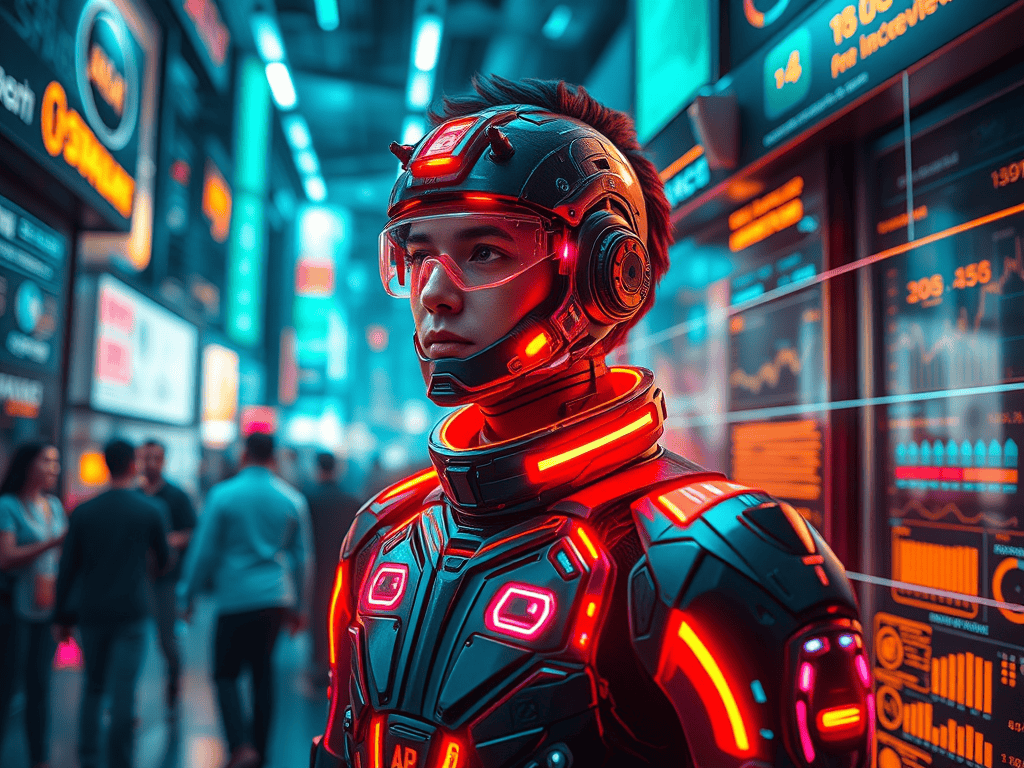
For example, a fashion retailer can use predictive analytics to determine when a customer is likely to need new seasonal clothing based on their past shopping habits. The retailer can then send targeted offers and promotions at just the right moment, increasing the likelihood of a sale. Similarly, predictive analytics can help marketers identify high-value customers who are at risk of churning, allowing them to take proactive steps to retain these customers through personalized offers and incentives.
2. AI for Customer Segmentation and Targeting
AI will also revolutionize customer segmentation by making it more precise and data-driven. Instead of relying on traditional demographic or geographic segments, marketers will use AI to create highly specific segments based on behavior, preferences, and predicted future actions. AI can analyze a variety of data points—such as purchase history, online activity, and even social media interactions—to group customers into segments that reflect their unique needs and interests.
This level of segmentation will enable marketers to deliver highly targeted campaigns that resonate with each group. For instance, AI could identify a segment of customers who prefer luxury products and have a history of purchasing high-end items, allowing the brand to target them with premium offers and exclusive experiences. At the same time, AI can identify more price-sensitive customers and offer them promotions or discounts to encourage repeat purchases.
3. Predictive Personalization for Customer Journeys
In 2025, AI will not only predict what consumers want but also shape their entire customer journey. Predictive personalization will allow marketers to guide consumers through the buying process, offering relevant content, products, and recommendations based on their predicted needs at each stage.
For example, AI can predict when a customer is ready to make a purchase based on their browsing behavior and engagement with the brand. At that point, the system can automatically trigger a personalized offer, such as free shipping or a discount, to encourage the final purchase. After the sale, AI can continue to nurture the relationship by predicting when the customer might need related products or services and offering timely recommendations.
This proactive approach will create more meaningful and personalized customer journeys, increasing brand loyalty and driving higher lifetime value.
Chatbots and Conversational AI: Enhancing Customer Interactions
AI-powered chatbots will become even more advanced by 2025, offering real-time, personalized customer service that is indistinguishable from human interaction. Chatbots will not only handle basic inquiries but will also be able to engage customers in meaningful conversations, provide personalized recommendations, and assist with complex transactions.
1. Conversational AI for Real-Time Customer Support
By 2025, conversational AI will be widely adopted by businesses as a primary tool for customer support. These AI-driven chatbots will be able to handle customer inquiries across multiple channels, including websites, social media platforms, and messaging apps, offering instant and accurate responses at any time of day.
Unlike traditional customer service systems, AI chatbots will use natural language processing (NLP) to understand and respond to customer questions in a conversational manner. They will be able to analyze the context of the conversation, detect sentiment, and provide personalized responses based on the customer’s previous interactions with the brand.
For example, a customer looking for a product recommendation can engage with a chatbot that understands their preferences based on past purchases. The chatbot will suggest products that align with the customer’s tastes, answer questions about product features, and even guide them through the purchasing process—all in real time.
2. AI-Driven Personalization in Chatbot Conversations
AI chatbots in 2025 will take personalization to the next level by tailoring their conversations based on individual customer data. These bots will have access to a customer’s entire purchase history, preferences, and behavior patterns, allowing them to provide highly personalized recommendations and offers.
For example, a returning customer might be greeted with a chatbot that says, “Welcome back! I see you recently purchased running shoes. Would you like to check out our new collection of activewear?” This type of personalized engagement will create a more interactive and enjoyable shopping experience, making customers feel valued and understood.
Chatbots will also use predictive analytics to anticipate customer needs during the conversation. If a customer has frequently purchased a particular type of product, the chatbot might proactively suggest similar items or complementary products, streamlining the customer journey and increasing the likelihood of a sale.
3. Automating Repetitive Tasks with AI Chatbots
In addition to improving customer interactions, AI chatbots will also automate repetitive tasks, freeing up human employees to focus on more complex or creative work. By 2025, AI chatbots will handle tasks such as order tracking, returns processing, appointment scheduling, and payment processing with minimal human intervention.
For example, a chatbot can assist a customer in tracking their package by automatically retrieving shipping information and providing real-time updates. Similarly, chatbots can guide customers through the returns process by generating return labels, confirming refund status, and answering any questions about the return policy.
This automation will improve operational efficiency for businesses while providing a seamless and convenient experience for customers.
AI and the Future of Customer Loyalty
By 2025, AI will play a crucial role in enhancing customer loyalty programs. AI’s ability to analyze customer behavior and preferences will enable brands to create more personalized and rewarding loyalty experiences, increasing customer engagement and retention.
1. Personalized Loyalty Programs
AI will enable businesses to create personalized loyalty programs that cater to individual customer preferences. Instead of offering generic rewards, brands will use AI to offer tailored incentives based on a customer’s past behavior and predicted future actions. For instance, a frequent shopper might receive early access to new products or exclusive discounts on their favorite items.
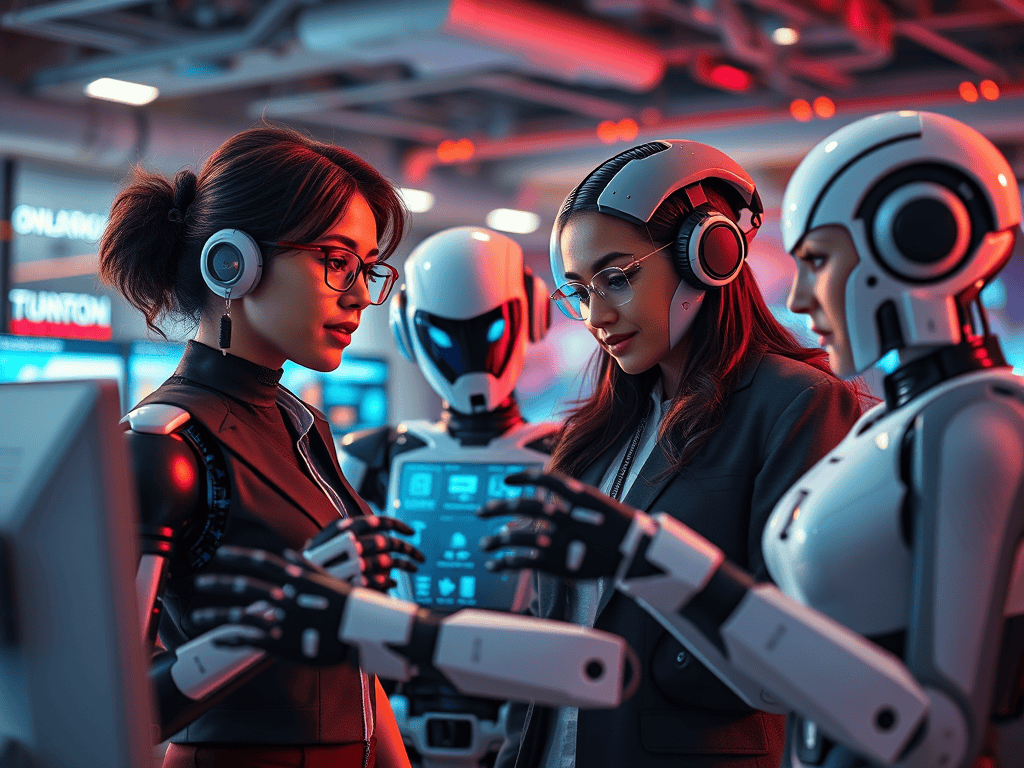
These personalized rewards will encourage customers to stay engaged with the brand, fostering long-term loyalty. In addition, AI Marketing 2025 will automate the management of loyalty programs, ensuring that customers receive timely and relevant rewards without requiring manual intervention.
2. Predictive Retention Strategies
AI will also help brands identify when customers are at risk of churning and take proactive steps to retain them. By analyzing customer engagement metrics, purchase history, and behavioral patterns, AI can predict when a customer might stop interacting with the brand or switch to a competitor. The system can then trigger personalized retention strategies, such as special offers, discounts, or personalized messages, to re-engage the customer and prevent churn.
These predictive retention strategies will allow brands to maintain strong relationships with their customers, reducing churn rates and increasing lifetime value.
Conclusion: AI’s Impact on Marketing by 2025
By 2025, AI will be at the heart of marketing strategies, transforming how brands engage with consumers through hyper-personalization, predictive targeting, and conversational AI. Businesses that embrace AI will be able to deliver more relevant, timely, and personalized experiences across every touchpoint, building stronger relationships with their customers and driving higher conversion rates.
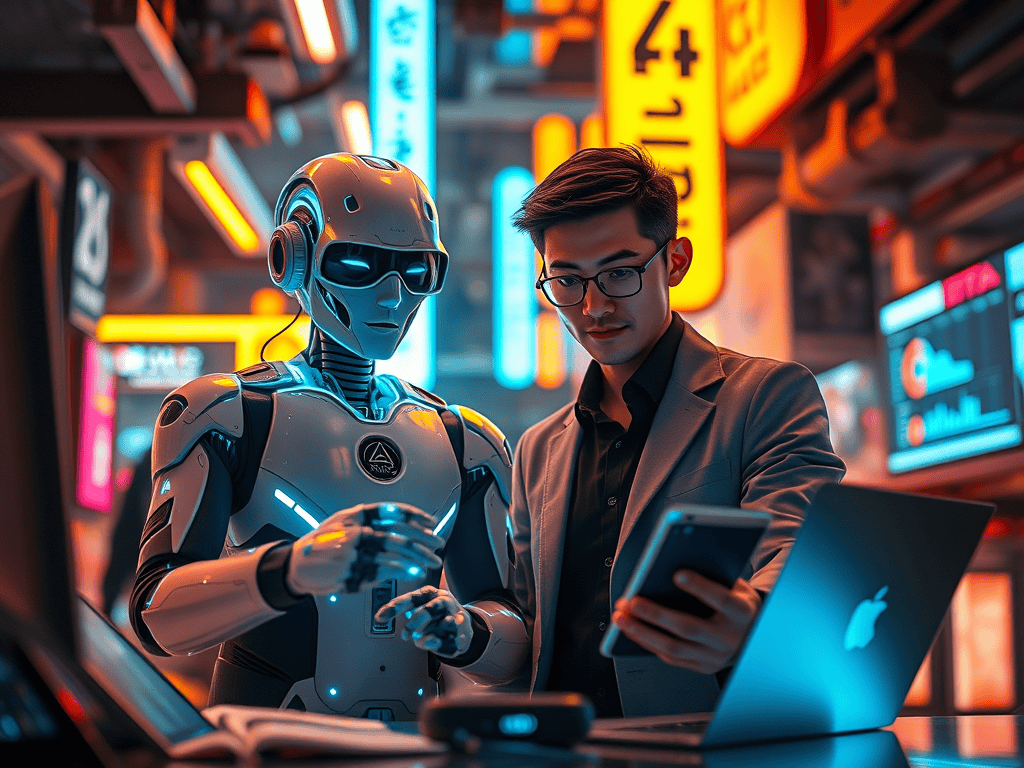
AI will also streamline marketing operations, automating tasks, and providing valuable insights that allow marketers to make data-driven decisions. As AI continues to evolve, it will offer new opportunities for innovation, making marketing more efficient, effective, and customer-centric than ever before.
FAQs AI Marketing 2025
What is hyper-personalization in marketing?
Hyper-personalization is an advanced form of personalization that uses AI to deliver highly tailored marketing messages, offers, and content based on individual customer preferences and real-time behavior.
How will AI improve customer targeting by 2025?
AI will enable predictive targeting by analyzing historical data to predict future customer behavior, allowing marketers to deliver more relevant offers and content at the right time.
What role will chatbots play in marketing by 2025?
Chatbots will handle customer inquiries, provide personalized product recommendations, and automate repetitive tasks, offering real-time, conversational customer support that enhances the shopping experience.
How will AI affect customer loyalty programs?
AI will make loyalty programs more personalized, offering rewards and incentives based on individual preferences and behavior, while also predicting when customers are at risk of churning and proactively re-engaging them.
What is predictive personalization?
Predictive personalization uses AI to anticipate what a customer will want or need next, allowing brands to offer relevant content, products, or services before the customer explicitly expresses interest.
How will AI change content personalization in marketing?
AI will automatically generate dynamic content that is personalized to each customer’s preferences and behavior, creating more engaging and relevant marketing experiences across digital channels.
Will AI replace human marketers?
AI will not replace human marketers but will augment their capabilities by automating repetitive tasks and providing insights that help marketers make more informed, data-driven decisions.
How will AI-driven predictive analytics improve marketing strategies?
AI-driven predictive analytics will help marketers forecast demand, identify trends, and optimize campaigns by analyzing consumer behavior and predicting future actions, leading to more effective marketing strategies.
What are the benefits of real-time personalization?
Real-time personalization allows brands to tailor their marketing messages and offers instantly based on a customer’s current behavior, leading to higher engagement, better conversion rates, and improved customer satisfaction.
What industries will benefit most from AI-driven marketing?
Industries such as retail, e-commerce, finance, travel, and entertainment will benefit greatly from AI-driven marketing, as these sectors rely heavily on personalized customer experiences and data-driven insights.
Discover more from Financial Freedom with Sakkemoto
Subscribe to get the latest posts sent to your email.
I was recommended this website by my cousin I am not sure whether this post is written by him as nobody else know such detailed about my difficulty You are wonderful Thanks
Hi i think that i saw you visited my web site thus i came to Return the favore I am attempting to find things to improve my web siteI suppose its ok to use some of your ideas
This is really interesting, You’re a very skilled blogger. I’ve joined your feed and look forward to seeking more of your magnificent post. Also, I’ve shared your site in my social networks!
Normally I do not read article on blogs however I would like to say that this writeup very forced me to try and do so Your writing style has been amazed me Thanks quite great post
you are in reality a good webmaster The website loading velocity is amazing It sort of feels that youre doing any distinctive trick Also The contents are masterwork you have done a fantastic job in this topic