

Imagine a customer contacting your business at midnight and receiving an immediate, helpful response that resolves their query. In today’s digital era, chatbots and AI are making this scenario a reality, revolutionizing the way companies interact with their customers. For businesses of all sizes, these tools can enhance customer experience, reduce operational costs, and provide 24/7 support without the need for round-the-clock staff.
In this comprehensive guide, we’ll introduce you to the world of chatbots and AI in customer service. We’ll explore the basics, delve into the most effective tools and strategies, and provide actionable tips for integrating these technologies into your business. Whether you’re new to AI or looking to upgrade your current system, this guide will help you harness the power of chatbots to create a seamless, efficient customer service experience.
Introduction Chatbots for Customer Service
Customer service is the heart of any successful business. In an era where consumers expect instant, around-the-clock support, traditional customer service models can fall short. Enter chatbots and artificial intelligence—tools that not only enhance the customer experience but also significantly reduce costs. Chatbots provide quick responses, handle multiple queries simultaneously, and free up human agents to deal with more complex issues.
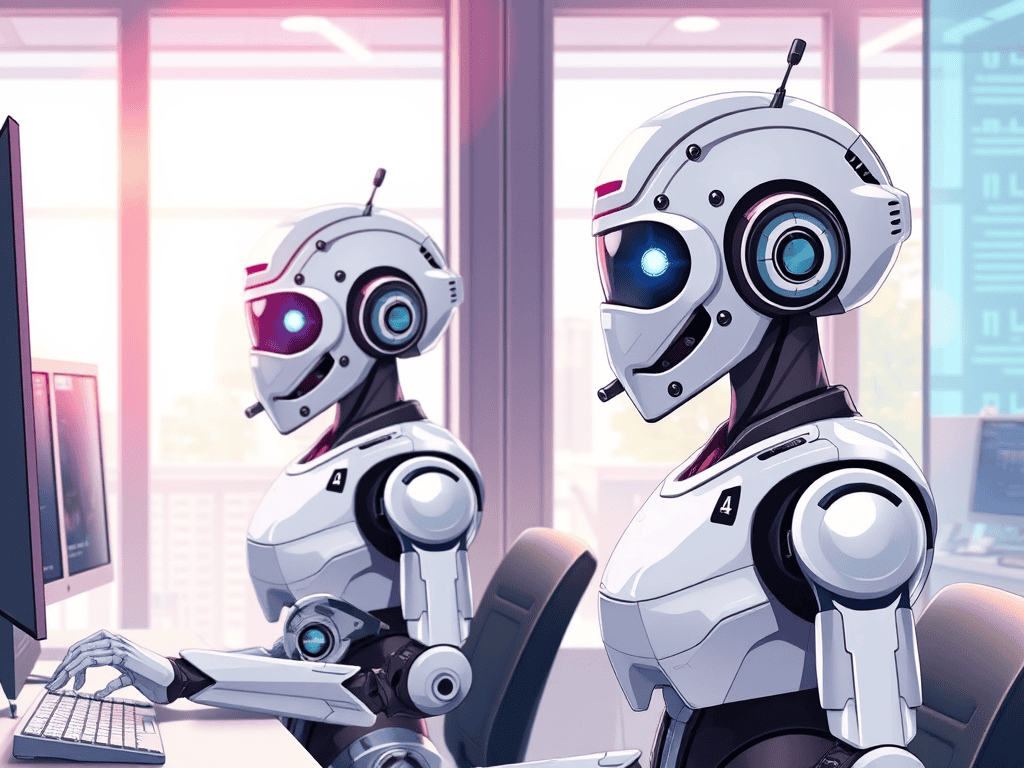
The transformation is clear:
businesses that embrace AI-driven customer service are better positioned to improve satisfaction, boost loyalty, and streamline operations. This post will guide you through the fundamental concepts of chatbots and AI in customer service, the benefits they offer, and practical steps for implementation. Let’s explore how these innovative tools can redefine your customer service strategy.
1. Understanding Chatbots and AI in Customer Service
1.1 What Are Chatbots?
Chatbots are computer programs designed to simulate conversation with human users. They can be integrated into websites, messaging apps, or social media platforms to provide immediate responses to customer inquiries. Chatbots use natural language processing (NLP) and machine learning to understand and respond to questions in a way that feels natural and intuitive.
Analogy:
Imagine a friendly store clerk who’s always available to help you, regardless of the time of day. That’s essentially what chatbots offer—uninterrupted, personalized assistance.
1.2 The Role of AI in Enhancing Customer Service
AI in customer service goes beyond simple chatbots. It includes advanced algorithms that analyze customer data, predict needs, and provide insights that help companies improve their service offerings. AI can detect patterns in customer behavior, segment audiences for personalized interactions, and even handle complex queries by escalating them to human agents when necessary.
Real-Life Example:
A major e-commerce retailer implemented AI-driven chatbots to manage customer queries. The result was a 40% reduction in response time and a significant improvement in customer satisfaction, as the bots effectively handled routine inquiries while human agents focused on high-value tasks.
2. Benefits of Chatbots and AI in Customer Service
2.1 Enhanced Customer Experience
One of the most significant benefits of using chatbots is the improvement in customer experience. Customers get instant responses to their queries, which reduces frustration and increases satisfaction. With AI, these responses can be tailored to the customer’s specific needs, making the interaction feel more personal and relevant.
Actionable Tip:
Implement chatbots on your website or social media channels to provide 24/7 support. Monitor customer interactions to ensure that the responses remain helpful and adjust the scripts based on feedback.
2.2 Cost Reduction
By automating routine tasks, chatbots and AI systems help businesses reduce labor costs. They handle a large volume of inquiries simultaneously, which means you can allocate human resources to more complex issues that require a personal touch.
Real-Life Example:
A financial services firm used AI chatbots to answer common customer questions. This automation resulted in a 30% reduction in staffing costs for their support department, allowing the company to invest more in strategic initiatives.
2.3 Increased Efficiency and Productivity
AI-driven customer service systems streamline operations by automating repetitive tasks, freeing up your team to focus on problem-solving and customer relationships. This increased efficiency translates into faster service and higher productivity across your organization.
Actionable Tip:
Use data analytics to monitor the performance of your chatbots. Identify common queries and optimize your responses to ensure maximum efficiency. Regularly update your AI tools to adapt to changing customer needs.
3. Implementing Chatbots and AI in Your Business
3.1 Choosing the Right Tools
There are many tools available to help you implement chatbots and AI in your customer service strategy. Some popular platforms include:
- Intercom: Offers chatbots with a focus on customer engagement and support.
- Drift: Specializes in conversational marketing and sales, helping to qualify leads automatically.
- Zendesk Chat: Integrates seamlessly with Zendesk’s customer support platform, making it ideal for businesses already using their services.
- ManyChat: A user-friendly platform for building chatbots on Facebook Messenger and Instagram.
Actionable Tip:
Evaluate these tools based on your business size, customer service needs, and budget. Consider starting with a free trial or demo to see which platform best suits your requirements.
3.2 Integrating Chatbots into Your Website
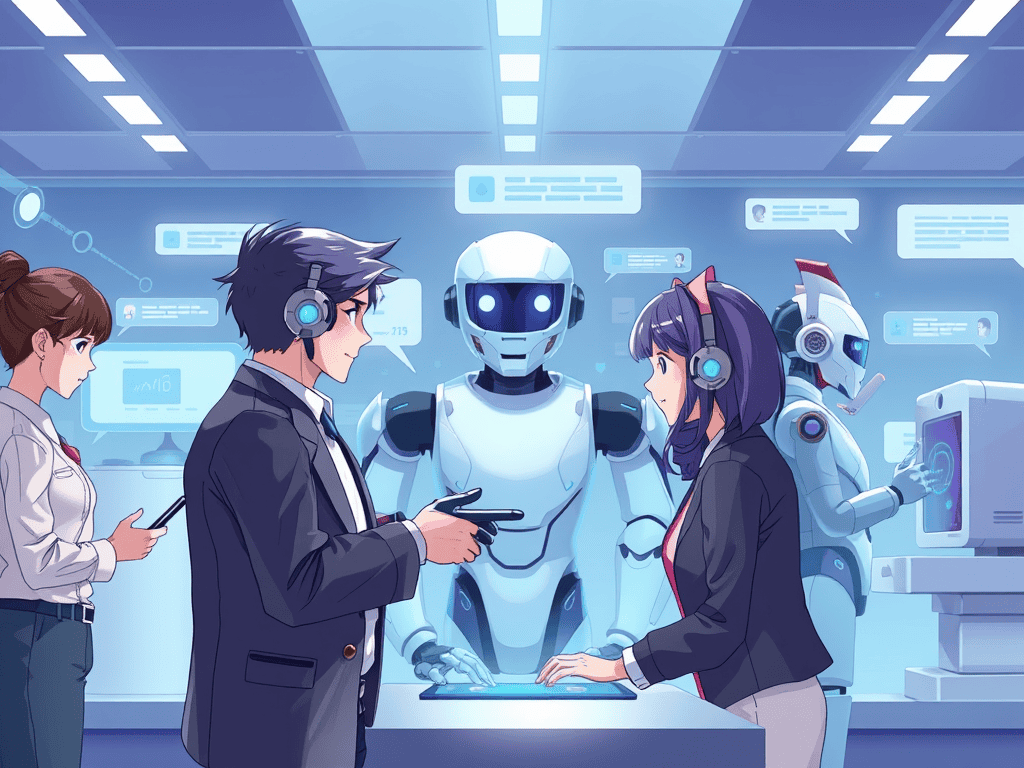
Once you’ve chosen your tool, it’s time to integrate the chatbot into your website. This process involves configuring the chatbot to handle common queries, setting up automated workflows, and ensuring a smooth handoff to human agents when necessary.
Actionable Tip:
Work with your IT team or a professional developer to integrate the chatbot seamlessly into your site. Test the bot thoroughly across different devices and browsers to ensure a consistent user experience.
3.3 Training Your AI System
The effectiveness of your chatbot depends on the quality of its training data. Ensure that your AI system is fed with accurate, relevant, and diverse data to understand and respond to a wide range of customer queries.
Actionable Tip:
Regularly update the chatbot’s knowledge base. Use customer feedback and performance data to refine its responses and improve its accuracy over time.
4. Best Practices for Effective Chatbot Implementation
4.1 Maintaining a Human Touch
While automation is the goal, it’s important to maintain a human touch in your customer service interactions. Ensure that your chatbot can recognize when a query is too complex and seamlessly hand it over to a human agent.
Actionable Tip:
Set up clear guidelines for when the chatbot should transfer a customer to a live agent. Train your team to handle escalated queries promptly to ensure that no customer feels neglected.
4.2 Continuous Monitoring and Optimization
The digital landscape and customer needs are always evolving. Regularly monitor your chatbot’s performance and analyze customer feedback to identify areas for improvement.
Actionable Tip:
Schedule monthly reviews of your chatbot’s analytics. Look for trends in customer interactions and adjust your workflows, scripts, and training data accordingly. Continuous optimization will keep your system effective and relevant.
4.3 Personalizing Customer Interactions
Personalization is key to creating a memorable customer experience. Use data to tailor interactions based on customer history, preferences, and behaviors. This makes the chatbot experience feel more customized and engaging.
Example:
An online retailer used personalized chatbot greetings based on previous purchase history. Customers who received tailored messages reported higher satisfaction and were more likely to make repeat purchases.
Actionable Tip:
Segment your audience and program your chatbot to offer personalized responses. Use CRM data to inform these interactions, ensuring each customer feels valued.
5. Overcoming Challenges in Chatbot Implementation
5.1 Handling Complex Queries
Not every query can be resolved by a chatbot. Some customers have complex issues that require human intervention. It’s important to design your system so that it recognizes these cases and escalates them appropriately.
Actionable Tip:
Incorporate fallback protocols in your chatbot’s design. Train your AI to recognize when a question is beyond its scope and set up an automatic transfer to a live agent. This ensures that customers always receive the help they need.
5.2 Ensuring Data Security
Customer data is sensitive, and ensuring its security is paramount. Chatbots must be compliant with data protection regulations and incorporate robust security measures to safeguard information.
Actionable Tip:
Choose a chatbot platform that adheres to industry-standard security protocols, such as GDPR or CCPA. Regularly audit your data handling processes and update security measures as needed.
5.3 Adapting to User Feedback
User feedback is crucial for the continuous improvement of your chatbot. Sometimes, the initial setup may not meet all customer expectations, and adjustments are necessary.
Actionable Tip:
Encourage users to provide feedback after their interactions with the chatbot. Use surveys, feedback forms, or direct queries to gather insights and make iterative improvements.
6. Actionable Tactics for Immediate Implementation
6.1 Start with a Pilot Project
Before a full-scale launch, consider testing your chatbot with a smaller segment of your customer base. This pilot phase will allow you to identify and fix issues, fine-tune your responses, and measure performance in a controlled environment.
Actionable Tip:
Select a manageable group of users for the pilot phase and gather comprehensive feedback. Use this data to refine your chatbot’s functionality before a broader rollout.
6.2 Integrate with Multiple Channels
Maximize the effectiveness of your chatbot by integrating it with various channels such as your website, social media, and messaging apps. This ensures that you can reach customers wherever they are.
Actionable Tip:
Deploy your chatbot on platforms like Facebook Messenger, WhatsApp, and your company’s website. Monitor performance across channels and adjust your strategy to meet the unique demands of each platform.
6.3 Set Clear Performance Metrics
Establish measurable goals for your chatbot’s performance, such as response time, resolution rate, and customer satisfaction. These metrics will help you evaluate its effectiveness and guide ongoing improvements.
Actionable Tip:
Create a performance dashboard that tracks these metrics. Regularly review the data and set actionable objectives to enhance your chatbot’s efficiency and accuracy.
Conclusion
The integration of chatbots and AI in customer service is revolutionizing the way businesses interact with their customers. By leveraging these tools, companies can provide instant, personalized support that enhances the overall customer experience while reducing costs. The strategies outlined in this guide
—from choosing the right tools and maintaining a human touch to continuous optimization and leveraging multi-channel integration
—are designed to help you build a robust, efficient customer service system.
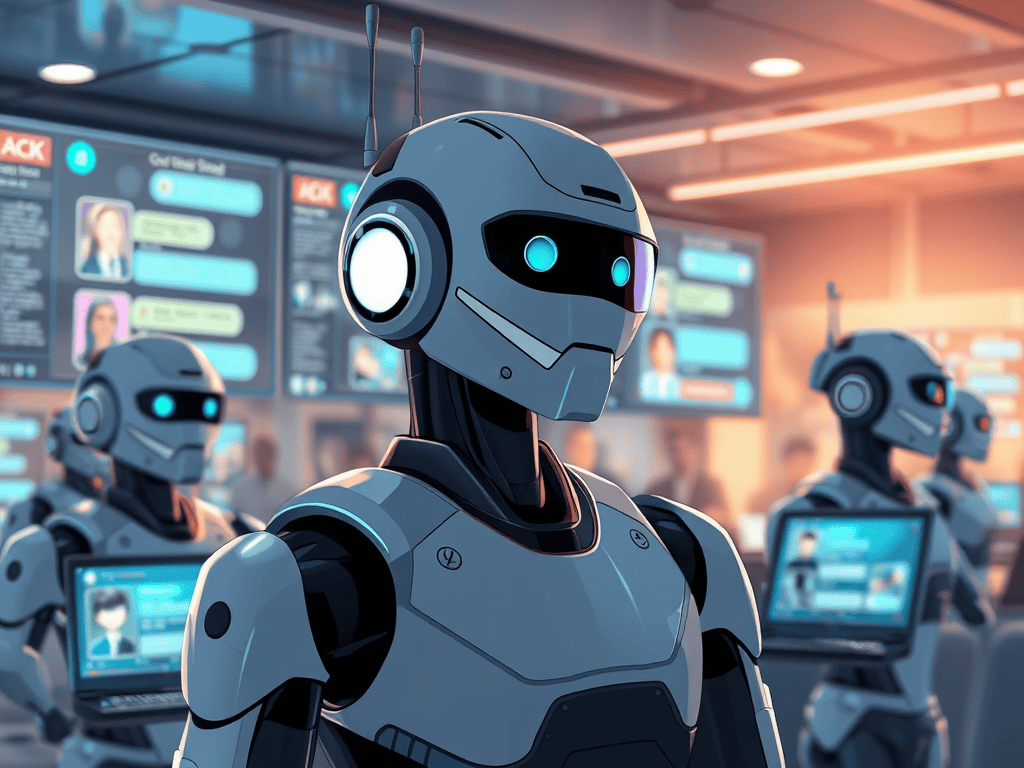
Remember, the goal is to create a seamless experience. Technology and human interaction should complement each other. This will deliver exceptional service. With the actionable tactics discussed, you can start transforming your customer support strategy today and reap the benefits of enhanced efficiency and customer satisfaction.
What challenges have you faced with chatbots in customer service? Share your experiences and insights in the comments below—let’s work together to build smarter, more responsive customer support systems!
Frequently Asked Questions (FAQ)
Q1: What are chatbots and how do they work?
A: Chatbots are AI-powered programs designed to simulate conversation, providing instant responses to customer inquiries across various digital platforms.
Q2: How can chatbots improve customer service?
A: They provide 24/7 support, reduce response times, handle routine queries, and free up human agents for complex issues.
Q3: What tools should I consider for implementing chatbots?
A: Popular tools include Intercom, Drift, Zendesk Chat, and ManyChat, depending on your specific needs and platforms.
Q4: How do I ensure a chatbot maintains a human touch?
A: Implement fallback protocols to transfer complex queries to live agents and personalize interactions using customer data.
Q5: How can I measure the success of my chatbot?
A: Track performance metrics like response time, resolution rate, customer satisfaction, and overall engagement using analytics tools.
Discover more from Financial Freedom with Sakkemoto
Subscribe to get the latest posts sent to your email.