
Future of Work 2025, the workplace we’ve come to know and understand will look vastly different. The shift from traditional office work to remote and hybrid models has already begun, but over the next few years, this evolution will solidify, creating a new normal. Employees and companies are adapting to this changing landscape, where flexibility is no longer just a perk
—it’s an expectation.
Future of Work 2025
This blog will dive into how remote and hybrid work models will take shape by 2025 and what it means for the future of work. Will remote work continue to dominate, or will hybrid setups strike the perfect balance? Let’s explore.
Remote vs. Hybrid Models: Setting the Stage for 2025!
In recent years, the pandemic accelerated the shift toward remote work, and by 2025, this trend will have matured into two distinct models: fully remote and hybrid. Both models have their benefits, challenges, and champions. But what do they look like in practice?

Remote work allows employees to work entirely from home, a café, or a beachside bungalow. It offers maximum flexibility, independence, and the ability to work from any location globally. Many tech companies like Twitter and Shopify have embraced fully remote models, seeing them as a way to attract talent from across the globe without the limitations of geography.
Hybrid work, on the other hand, combines the best of both worlds. Employees split their time between the office and home, giving them the flexibility to work remotely while still maintaining in-person interactions for certain tasks. Companies like Google and Microsoft are leaning heavily into this model, ensuring employees have flexibility without losing the benefits of collaboration that come with being in the office.
Why 2025 is the Year of Hybrid Work’s Dominance!
While remote work had its moment in the spotlight, hybrid models are poised to take over by 2025. Why? Because they address the shortcomings of both fully remote and fully in-office work environments.
By allowing employees to choose when they work remotely and when they come into the office, hybrid models offer flexibility without sacrificing team cohesion. Employees enjoy the best of both worlds—autonomy over their time and the chance to foster personal connections with their colleagues. It’s a model that appeals to a broader audience, from introverted employees who thrive at home to extroverts who crave social interactions at the office.
Moreover, hybrid models support a company’s long-term growth by maintaining company culture. While remote work can sometimes lead to feelings of isolation and disconnect from the organization, hybrid setups ensure employees still feel like part of a larger team. Regular in-person meetings, retreats, or collaborative workdays can help sustain that bond.
Technological Advancements Powering the Future Workplace
As we approach 2025, advancements in technology are helping remote and hybrid models flourish. With tools like virtual reality (VR) and augmented reality (AR) coming into play, companies are finding new ways to keep their teams engaged, connected, and productive—no matter where they are in the world.
For example, virtual reality meeting spaces will soon allow teams to feel as if they’re sitting around the same conference table, even if they’re continents apart. Collaborative software like Slack, Microsoft Teams, and project management tools like Asana have already become essential, but by 2025, they will be more intuitive, seamless, and fully integrated with AI-driven features, making communication more efficient than ever before.
AI assistants could handle scheduling, project management, and even certain administrative tasks, allowing teams to focus on the creative and strategic elements of their work, regardless of their location.
Work-Life Balance: A New Normal
The rise of remote and hybrid work models has made work-life balance more attainable for many employees. Without the daily commute, employees have more time for family, hobbies, and personal development. However, this newfound flexibility also requires a more intentional approach to setting boundaries between work and personal life.
By 2025, companies will have developed more robust policies to support employee well-being, including setting clear expectations around availability and promoting a healthy balance between work hours and downtime. We’re already seeing companies like Salesforce introduce wellness programs and “no-meeting” days, and this trend is expected to grow.
Employees will also become more adept at managing their own schedules, using time-blocking techniques and productivity hacks to maintain focus and efficiency while working remotely or in a hybrid setup.
The Environmental Impact of Remote and Hybrid Work
Another factor pushing companies toward remote and hybrid models is the environmental benefit. By reducing the need for daily commutes and office space, businesses can significantly lower their carbon footprint. Fewer cars on the road mean reduced emissions, and less energy consumption in large office buildings can make a real difference.
In 2025, companies will continue to prioritize sustainability, and hybrid models will allow businesses to operate efficiently with a smaller physical footprint. Some businesses may even opt for shared coworking spaces, rotating teams in and out on different days to maximize the use of office resources.
The Future of Office Spaces
Office spaces won’t disappear entirely by 2025, but they will certainly change. Traditional cubicles and rows of desks will give way to more open, collaborative environments. These spaces will be designed to foster creativity and teamwork rather than house employees for the entirety of the workweek.
Hybrid work models will also lead to the rise of “flexible” office spaces, where employees can choose when and how they use the office. Companies may reduce their physical footprints, opting for smaller offices with hot desks that employees can reserve when needed. The focus will shift from assigned seating to creating spaces that foster innovation and collaboration.
Leadership in a Hybrid and Remote World!
Managing a hybrid or fully remote team requires a different set of leadership skills than managing an in-office team. Leaders will need to focus more on results than on the time spent at a desk. By 2025, leaders will be skilled in managing remote teams by setting clear expectations, fostering trust, and promoting communication across various platforms.
The importance of emotional intelligence will continue to rise, as leaders will need to be in tune with their employees’ needs, ensuring they feel supported and engaged, even when working from different locations. Performance metrics will shift from hours worked to outcomes achieved, and the ability to motivate teams in this new environment will become a key skill for managers and executives.
The Challenges of Remote and Hybrid Work in 2025!
While remote and hybrid work offer numerous advantages, they are not without challenges. Maintaining company culture, ensuring equitable access to resources, and avoiding burnout are all potential pitfalls. By 2025, however, companies will have learned to navigate these challenges with new policies, strategies, and technologies.
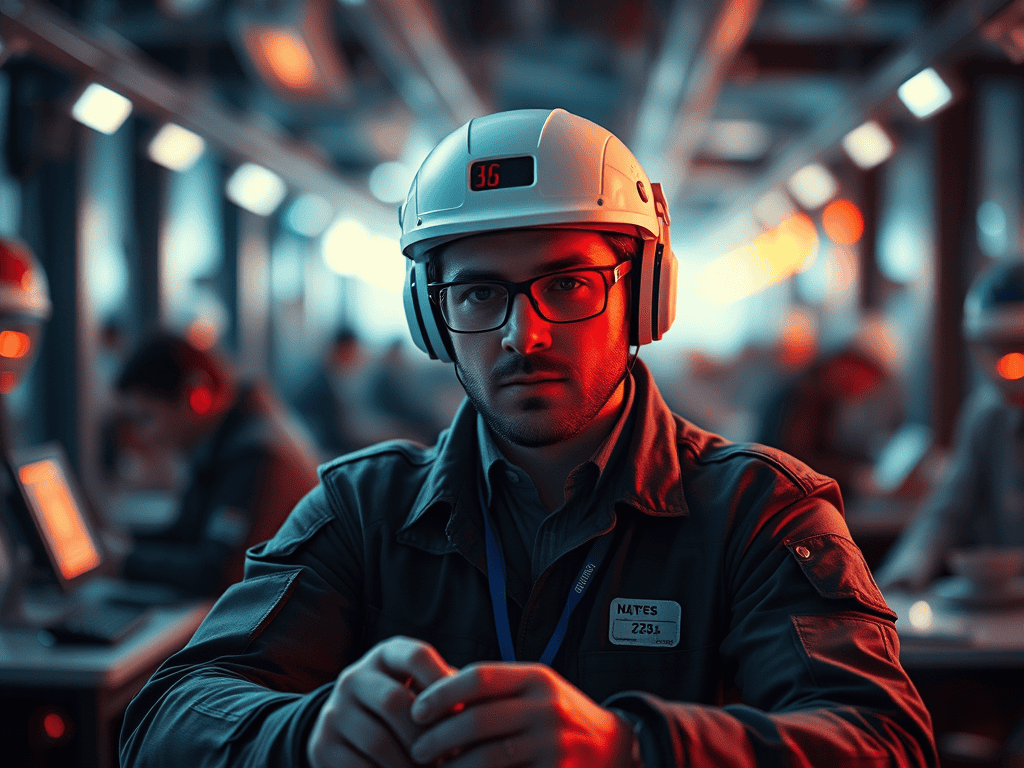
For example, hybrid teams may face issues with inclusion if remote workers feel left out of important decisions made in the office. Companies will need to be deliberate in creating an inclusive culture that values all employees, regardless of where they work.
Moreover, balancing team dynamics will be key. Hybrid work can create a divide between in-office and remote employees, so companies will need to ensure that both groups feel equally supported, heard, and valued.
Conclusion: The Future is Flexible
By 2025, remote and hybrid work models will have reshaped the workplace as we know it. Flexibility will no longer be a perk but a standard feature of modern work. Companies that embrace this change will find themselves better positioned to attract top talent, foster innovation, and operate more sustainably.
While challenges remain, the future of work is bright, dynamic, and full of possibilities. Whether fully remote or hybrid, the focus will be on creating a work environment that supports both productivity and well-being, making work something that fits seamlessly into our lives.
FAQs Future of Work 2025
What is a hybrid work model?
A hybrid work model is a flexible work setup where employees split their time between working remotely and coming into the office, offering a balance between autonomy and in-person collaboration.
Will remote work continue after 2025?
Yes, remote work will continue after 2025, with many companies offering remote or hybrid options as standard. It’s expected that the flexibility and benefits of remote work will remain highly valued.
How will technology affect remote work in 2025?
Advances in AI, virtual reality, and collaboration tools will make remote work more seamless and efficient. These technologies will enhance communication and productivity, enabling teams to work effectively across different locations.
What are the challenges of hybrid work models?
Challenges include maintaining company culture, ensuring equal access to resources, and managing team dynamics between remote and in-office employees. Companies will need to address these challenges with clear communication and inclusive policies.
How can employees maintain work-life balance in remote or hybrid setups?
Employees can maintain work-life balance by setting clear boundaries, practicing time-blocking techniques, and using productivity hacks to separate work hours from personal time.

Will offices still exist in 2025?Future of Work 2025
Yes, but they will change. Offices will become more collaborative, flexible spaces designed for team interaction rather than housing employees full-time.
Is hybrid work better than fully remote?
Hybrid work offers the best of both worlds, combining flexibility with the benefits of in-person interaction. However, the best model depends on the nature of the job and individual preferences.
How will hybrid work impact company culture?
Hybrid work can support company culture by maintaining in-person connections while allowing employees flexibility. However, companies will need to be intentional in creating inclusive environments for all employees.
Can remote work help the environment?
Yes, by reducing commuting and the need for large office spaces, remote work can lower a company’s carbon footprint, contributing to environmental sustainability.
What leadership skills are needed for managing hybrid teams?
Leaders will need strong emotional intelligence, clear communication skills, and the ability to manage based on outcomes rather than time spent in the office.
Discover more from Financial Freedom with Sakkemoto
Subscribe to get the latest posts sent to your email.
Hi i think that i saw you visited my web site thus i came to Return the favore I am attempting to find things to improve my web siteI suppose its ok to use some of your ideas
Your blog is a testament to your expertise and dedication to your craft. I’m constantly impressed by the depth of your knowledge and the clarity of your explanations. Keep up the amazing work!
Wow superb blog layout How long have you been blogging for you make blogging look easy The overall look of your site is magnificent as well as the content
Your articles never fail to captivate me. Each one is a testament to your expertise and dedication to your craft. Thank you for sharing your wisdom with the world.
certainly like your website but you need to take a look at the spelling on quite a few of your posts Many of them are rife with spelling problems and I find it very troublesome to inform the reality nevertheless I will definitely come back again
This is a truly well-written and insightful post. I love how you’ve broken everything down in a logical way, and the actionable advice you’ve included is something I’ll be putting into practice right away.
I really appreciate how detailed and well-written this post is. You’ve tackled a complex subject and made it accessible without oversimplifying it. Your thorough explanations and practical tips are incredibly valuable, and I’m looking forward to reading more from you in the future!
Your blog is a constant source of inspiration for me. Your passion for your subject matter shines through in every post, and it’s clear that you genuinely care about making a positive impact on your readers.
Thank you for the auspicious writeup It in fact was a amusement account it Look advanced to far added agreeable from you However how can we communicate
Hi i think that i saw you visited my web site thus i came to Return the favore Im attempting to find things to enhance my siteI suppose its ok to use a few of your ideas
Hi i think that i saw you visited my web site thus i came to Return the favore Im attempting to find things to enhance my siteI suppose its ok to use a few of your ideas
Thanks I have recently been looking for info about this subject for a while and yours is the greatest I have discovered so far However what in regards to the bottom line Are you certain in regards to the supply
Hi my family member I want to say that this post is awesome nice written and come with approximately all significant infos I would like to peer extra posts like this
Good post! We will be linking to this particularly great post on our site. Keep up the great writing